


Novating an electric vehicle

6 benefits of novating an EV
EV novated leasing explained
With a novated lease, your car payments and eligible running costs are deducted from your pre-tax salary. If you choose an eligible electric vehicle, current FBT rules may make the arrangement more cost-effective than leasing a petrol or diesel car. This can make salary packaging a practical way to move into an EV while keeping your regular car costs bundled into one payment.
For eligible battery electric vehicles and hydrogen fuel cell electric vehicles, the key advantage is the Fringe Benefits Tax exemption. The ATO says you don’t need to pay FBT on an eligible electric car and associated car expenses if the car is first held and used on or after 1 July 2022, is below the luxury car tax threshold for fuel-efficient vehicles at the time it is first sold, and other conditions are met. Since 1 April 2025, plug-in hybrid electric vehicles are no longer considered zero or low emissions vehicles for these FBT rules, except in limited transitional cases.
That FBT treatment is one of the main reasons why a novated EV lease structure can produce a different outcome from a petrol or diesel vehicle. The difference with a petrol/diesel vehicle is when novating an eligible EV, the car’s finance and running costs are paid entirely from your pre-tax salary.
The main national incentive for an eligible EV to be novated is the Electric Car Discount, which provides an FBT exemption rather than a broad federal cash rebate. Under changes announced by the Australian Government in May 2026, the current full FBT exemption will continue until 31 March 2027. From 1 April 2027 to 31 March 2029, eligible EVs priced at $75,000 or less will continue to receive the full exemption, while eligible EVs priced above $75,000 but below the applicable Luxury Car Tax threshold will receive a 25% discount on payable FBT. From 1 April 2029, all eligible EVs below the applicable Luxury Car Tax threshold will receive a 25% FBT discount. These changes are subject to legislation being finalised, so it’s important to check the latest government guidance and confirm eligibility before entering into an arrangement. State and territory incentives may also apply and can change over time.
GST also plays a role. For the 2026–27 financial year, the ATO sets the maximum GST credit claimable on a car at $6,353, while the fuel-efficient luxury car tax threshold is $91,661. That threshold matters because it affects eligibility for the electric car FBT exemption at the time the vehicle is first sold. In other words, price thresholds aren’t just a technical detail; they can directly influence whether an EV novated lease receives the concessional treatment that so many drivers are looking for.
Why this matters when comparing costs
When you compare an electric car novated lease with a petrol or diesel alternative, the purchase price is only one part of the picture. The tax treatment, charging costs, maintenance profile, and eligibility settings can all affect the overall result. That’s why many drivers use an EV calculator or quote process to compare scenarios side by side rather than relying on sticker price alone.
A good way to frame it is this: an electric car lease through novated leasing can be attractive because eligible EVs may combine pre-tax salary packaging with reduced running costs and exempt FBT treatment. Whether that leads to a better outcome depends on the vehicle, your income, your employer’s policy, and whether the car meets the relevant eligibility rules when the lease is set up.
Some popular EVs to consider

Save $43K in tax over 5 years^
Every drive feels like magic.
From
$268 /week

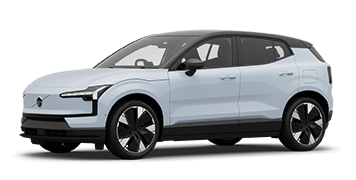
Save $42K in tax over 5 years^
Practical, spacious and cutting-edge tech.
From
$266 /week

Save $41K in tax over 5 years^
"OCEAN X" front styling will turn heads.
From
$257 /week
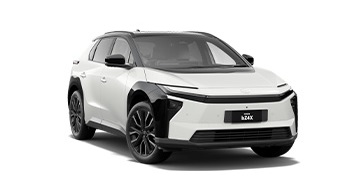
Save $40K in tax over 5 years^
A small SUV that's big on style.
From
$250 /week
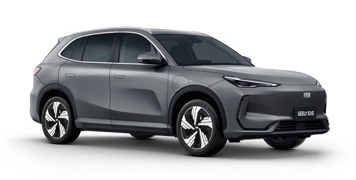
Save $33K in tax over 5 years^
Built to impress, inside and out.
From
$209 /week
Discover the power of going electric
Learn how your EV experience is enhanced when your car is packaged into a novated lease with SG Fleet. Enjoy unmatched convenience and incredible savings.
More benefits of novating an electric vehicle
Check out this video for three ways an EV brings more ease to your days and simplifies your life in unexpected ways.
Tell me EVEN more about EVs
Learn about battery tech, sustainability and what’s next with our exclusive chat with Kia.
FAQs
A plug-in hybrid electric vehicle (PHEV) can be worth considering if you’re not quite ready to go fully electric. It gives you the flexibility to complete shorter everyday trips using electric power, while a petrol engine provides added reassurance for longer journeys. For drivers who charge regularly, a PHEV may also help reduce fuel use and improve overall efficiency.
The value of a PHEV depends heavily on how you use it. Charging frequently and completing most local trips within the vehicle’s electric range can reduce fuel consumption. If the battery is rarely charged, however, a PHEV may use more petrol than expected because it carries both an electric battery and a combustion engine.
Tax treatment is another important consideration. PHEVs generally stopped qualifying for the Australian Government’s electric car FBT exemption from 1 April 2025. Limited transitional arrangements may continue for eligible vehicles covered by a financially binding commitment made before that date, provided the arrangement has not materially changed. For a new novated lease, it is worth comparing the total cost of a PHEV with both battery electric and petrol alternatives before deciding.
For many Australian drivers, an electric car can be worthwhile—particularly if you can charge at home, travel predictable distances and plan to keep the vehicle long enough to benefit from lower energy and maintenance costs.
Battery electric vehicles typically cost less to power than comparable petrol or diesel cars and have fewer mechanical components that require regular servicing. Through a novated lease, an eligible electric vehicle may also qualify for the Australian Government’s electric car FBT exemption, allowing the vehicle’s finance and eligible running costs to be deducted from pre-tax salary. Eligibility conditions apply, including requirements relating to when the vehicle was first held and used and its value when first sold.
The vehicle must also be below the applicable Luxury Car Tax (LCT) threshold, with no LCT payable on its sale or importation.
Whether an EV is right for you will also depend on its purchase price, real-world driving range, access to charging, insurance costs and your usual travel patterns. Comparing the estimated whole-of-life cost—not just the showroom price—can provide a clearer picture of whether going electric will leave you better off.
Get a novated leasing quote on your new EV
Find out how much you could save on your new electric vehicle with a novated lease.
Start calculating your EV savings
