


Fuel efficiency: practical steps to strengthen your fleet management and mobility strategy
By SG Fleet | 15 March 2026
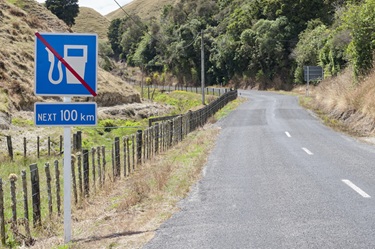
With fuel prices fluctuating more sharply than ever, many New Zealand organisations are feeling the impact across their fleet operating costs. While price movements at the pump are ultimately outside our control, there are several practical, immediate steps you can take to improve fuel efficiency, strengthen your mobility strategy, and reduce unnecessary spend. At the same time, keeping informed about wider fleet industry trends - particularly around fuel resilience and supply - can help you plan with confidence.
Smart driving behaviours that reduce fuel usage
Small changes in driving style can create meaningful improvements in fuel saving across an entire fleet.
Drive smoothly
Avoiding rapid acceleration and harsh braking helps drivers maintain momentum which improves efficiency, especially in stop-start urban environments. Smooth, consistent driving is one of the simplest ways to reduce overall fuel consumption.
Maintain correct tyre pressure
Under-inflated tyres increase rolling resistance and can burn more fuel. Drivers should regularly check tyre pressures, especially as the temperature changes. Tyre pressure guides can be typically found inside the driver's side door frame, fuel flap, door pillar, or glove box.
Minimise unnecessary idling
Extended idling wastes fuel consumption and contributes to excessive emissions. If drivers expect to be stationary for extended periods, switching off the engine can create noticeable savings over time.
Plan smarter journeys
Grouping errands, deliveries, or customer visits into consolidated trips helps reduce total distance travelled. When possible, avoid peak traffic to minimise idle time and stop-start congestion.
Reduce excess weight and drag
Clearing out unnecessary boot items and removing unused roof racks or accessories helps vehicles operate more efficiently. Even small reductions in weight and drag can improve fuel economy across a full fleet.
Keep vehicles well maintained
Regular servicing, timely oil changes, and clean air filters ensure engines operate at optimal efficiency. Well-maintained vehicles not only consume less fuel - they also help reduce long-term maintenance costs.
Use cruise control on highways
On open roads, cruise control helps maintain steady speeds, which generally requires less fuel than fluctuating acceleration patterns.
Choose the most fuel-efficient route
Navigation tools - whether in-vehicle systems or smartphone apps - can help drivers avoid congestion, roadworks, and incident delays. Reducing unproductive time on the road directly supports your overall efficiency goals.
Protecting your fleet from fraud
Periods of elevated fuel prices often coincide with increased fradulent activity. To help safeguard against unnecessary spend, we recommend regularly reviewing the Overfill Report, available in Fleetintelligence.
Understanding New Zealand's fuel resilience and supply environment
Although global events - such as the current conflict in the Middle East - can create uncertainty, recent discussions with fuel providers confirm that New Zealand is not experiencing supply chain issues at present.
The New Zealand Government receives weekly updates from fuel companies each Tuesday, publishing national fuel stock figures every Wednesday. These include both stock held on land and fuel already enroute within the Exclusive Economic Zone (EEZ), forming part of the country's Minimum Stockholding Obligation (MSO).
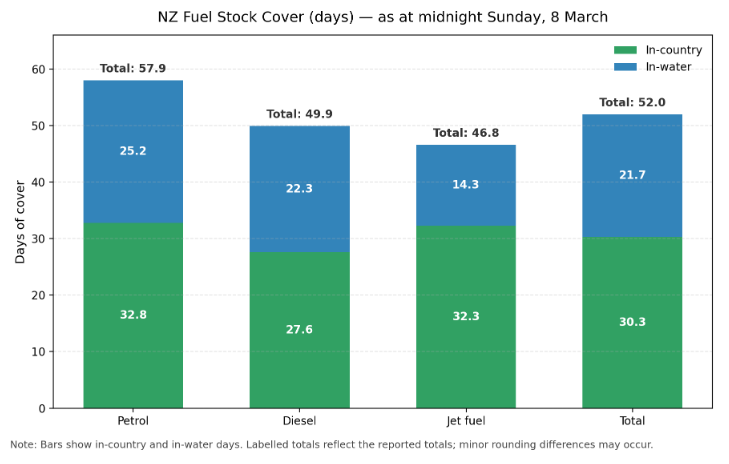
Source: SG Fleet NZ, based on data from MBIE
Fleet managers looking to understand broader industry resilience or monitor fuel industry trends can access detailed updates through the Ministry of Business, Innovation, and Employment (MBIE), including:
- Weekly fuel price monitoring
- Fuel security insights
- New Zealand's fuel stock status and MSO information
Supporting your fleet through fluctuating conditions
At SG Fleet, we understand that rising fuel costs place additional pressure on your day-to-day operations. By combining smarter driving behaviours, proactive vehicle maintenance, and close monitoring through Fleetintelligence, your organisation can significantly improve fuel efficiency - even during periods of uncertainty. If you'd like tailored advice on fuel management, driver behaviour programs or broader mobility strategy planning, please contact your Relationship Manager, or contact us here.